

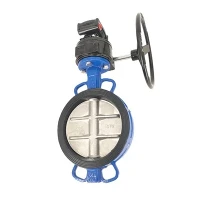
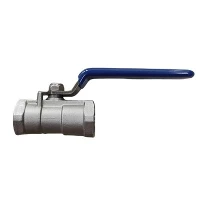
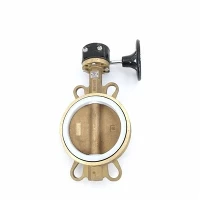
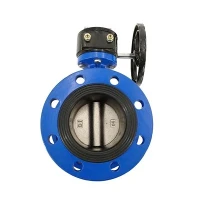
Butterfly Valve
What Is Butterfly Valve?
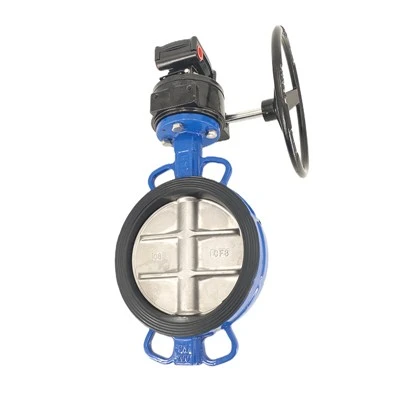
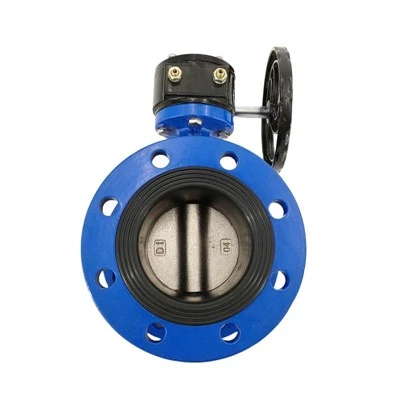
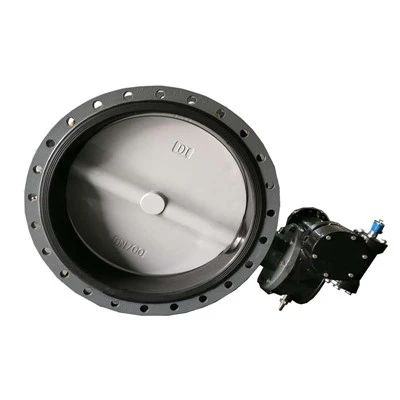
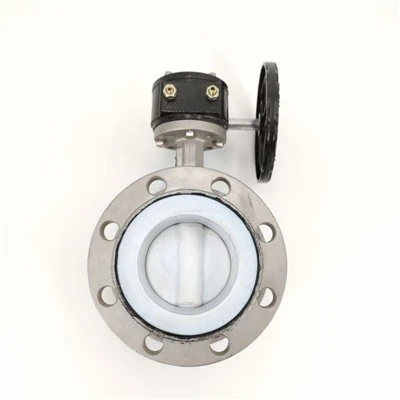
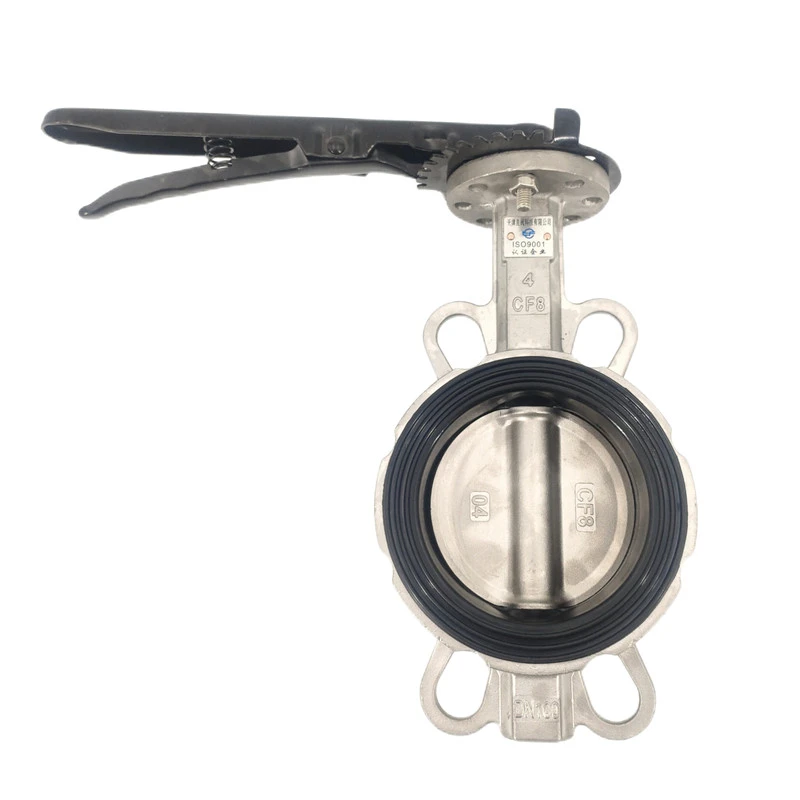
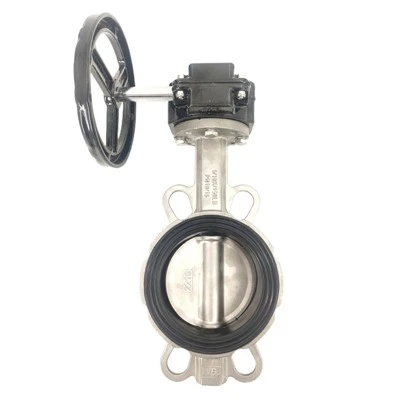
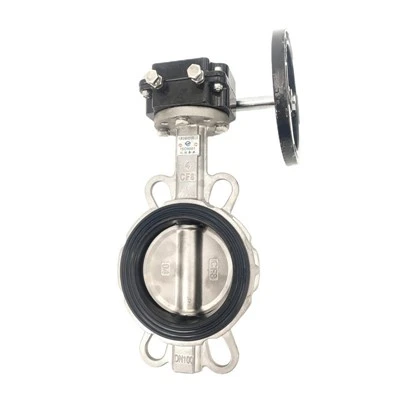
Butterfly valve is a type of quarter-turn valve that is used to regulate the flow or pressure of a fluid or gas. It consists of a flat circular disc that is mounted on a shaft and can be rotated with either a handle or an actuator. When the disc is turned perpendicular to the flow of the fluid, it blocks the flow completely, while when it is parallel to the flow, the valve is fully open. One advantage of butterfly valves is that they are lightweight and compact, making them ideal for applications where space is limited.
Advantages of Butterfly Valve
Lightweight and compact
Butterfly valves are great for several applications because they are very lightweight and provide reasonable flow control in a compact design. You will generally want to use a metal-seated valve for more extreme fluid processing, while a soft-seated butterfly valve is best for applications with low pressures and temperatures. The butterfly disc takes up little space but offers enough strength for most pump systems.
Simple and cost effective
Butterfly valves are very simple in design and have minimal maintenance requirements. They are easy to install and operate. Plus, they are typically much less expensive than a ball valve of the same size. They do not require much torque to operate effectively and can be automated for energy-efficient operation.
Quick and efficient
The 90-degree turning radius allows for quick sealing upon actuation, which provides more accurate flow control with minimal effort to turn the valve on and off. Different butterfly valves are to consider, including zero-offset, double-offset, and triple-offset. The pressure will usually determine which type you need. The higher the offset, the more pressure the valve can handle.
Pressure control
In addition to precision flow control, butterfly valves are excellent for pressure control. They experience minimal pressure drop during operation before the fluids recover energy quickly after leaving the valve. This keeps the pump system running efficiently with consistent fluid pressures.
Why Choose Us?
High quality
Our products are manufactured or executed to very high standards, using the finest materials and manufacturing processes.
24h online service
We try and respond to all concerns within 24 hours and our teams are always at your disposal in case of any emergencies.
Quality control
We have professional personnel to monitor the production process, inspect the products and ensure that the final product meets the required quality level standards, guidelines and specifications.
Rich experience
Dedicated to strict quality control and attentive customer service, our experienced staff is always available to discuss your requirements and ensure complete customer satisfaction.
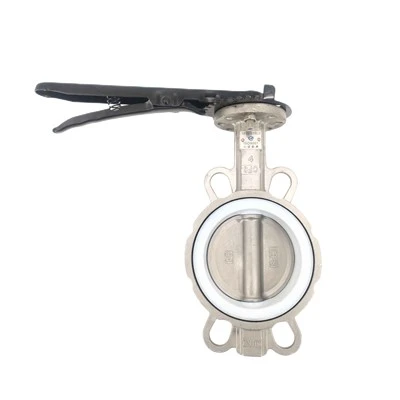
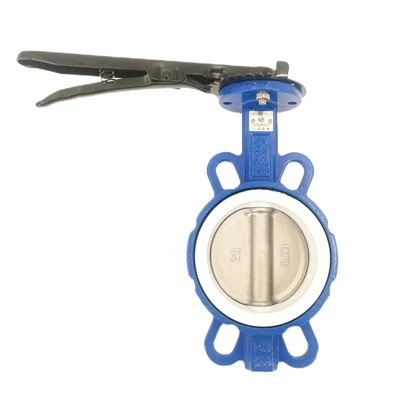
Wafer butterfly valve
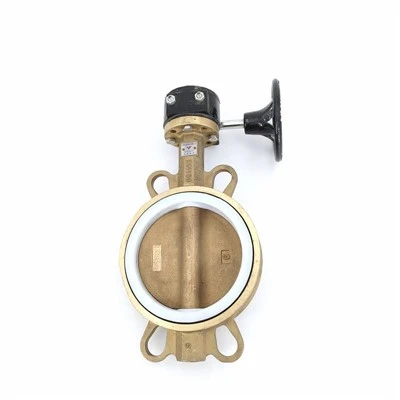
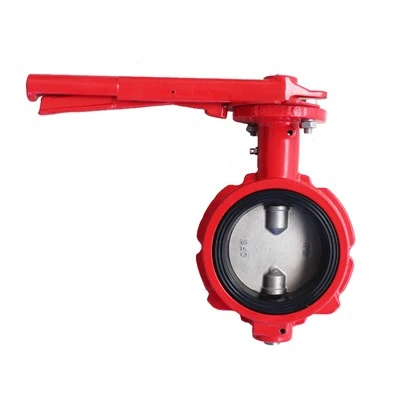
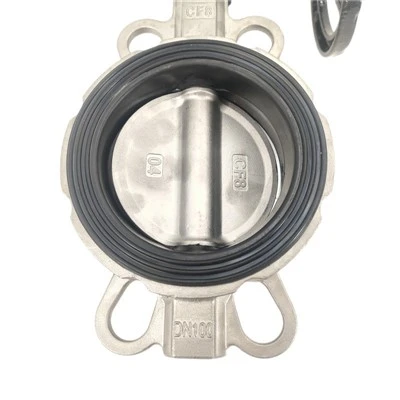
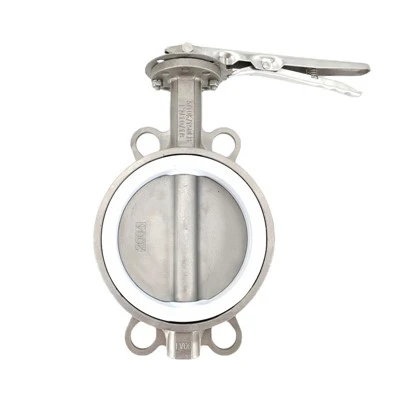
This is the most common type of butterfly valve that is widely used in various industries. It has a wafer-like body that fits between two raised face flanges. The valve is held in place by the flanges and is designed for applications that require a tight seal with minimal leakage.
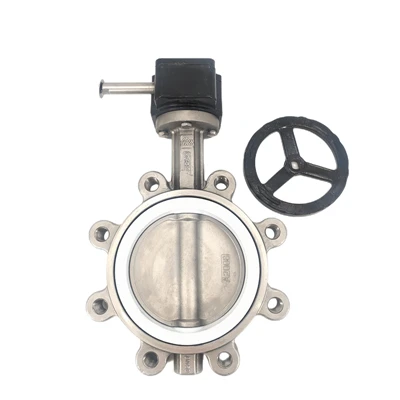
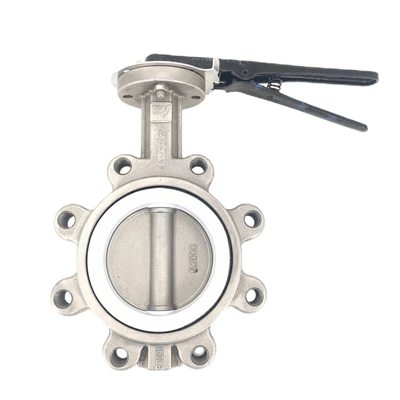
Lug butterfly valve
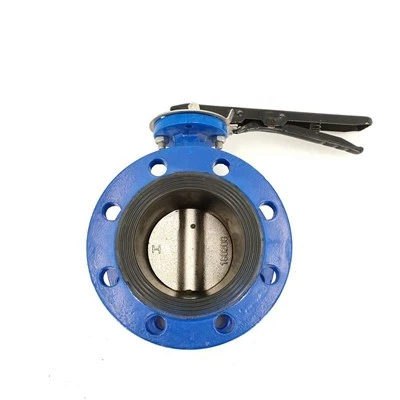
This type of valve has lugs or threaded holes that protrude from the valve body. The lugs are used to bolt the valve to the pipeline, making it easy to install and remove the valve if required.
Double offset butterfly valve
Also known as high-performance butterfly valve, it has a disc that is offset from the centerline of the valve body. This design reduces the amount of friction between the disc and the seat, allowing the valve to achieve a tight seal while requiring less force to operate.
Triple offset butterfly valve
This type of valve is designed for critical applications such as high-pressure and high-temperature applications. It has a disc that is intentionally offset from the centerline of the valve body, and it is also tilted on its axis. This design ensures a tight seal, high durability, and minimal leakage.
Material of Butterfly Valve
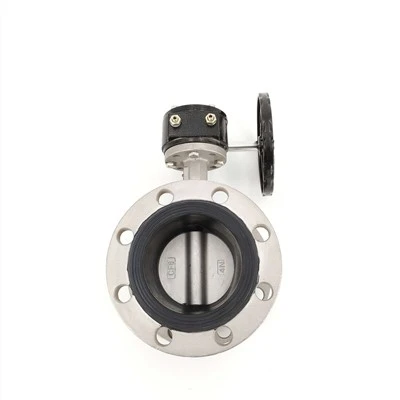
Butterfly valves can be made from a variety of materials, including cast iron, ductile iron, stainless steel, pvc, and carbon steel. The material chosen depends on the application and the environment in which the valve will be used. Cast iron is a commonly used material for butterfly valves due to its durability and low cost, while stainless steel is often used in applications where corrosion resistance is necessary. Pvc is often used in applications where chemical resistance is important, while carbon steel is used in high-pressure and high-temperature applications.
Water treatment plants
Butterfly valves are commonly used in water treatment plants to control the flow of water in the treatment process. The valve is used to regulate the flow of chemicals like chlorine, which the plant needs to treat the water.
HVAC systems
Butterfly valves are used in heating, ventilation, and air conditioning (hvac) systems to regulate the flow of air and water. The valve regulates the temperature in the system and controls the flow of air or water to maintain the desired temperature level.
Process industries
Butterfly valves are frequently used in chemical, petrochemical, and pharmaceutical industries to control the flow of liquids and gases. It is made up of corrosion-resistant materials that can withstand highly corrosive substances.
Food industry
In the food industry, butterfly valves are used in various operations, including controlling the flow of liquids or gases, controlling temperature and pressure levels during processing, and preventing product contamination.
Marine and shipbuilding industries
Butterfly valves are used in the marine and shipbuilding industries to control the flow of fluids and gases within the ship. It helps to prevent the leakage of fluids or gases and regulates fluid pressure during operation.
Casting
The first step in the process is to cast the valve body and disc. This can be done using different materials such as cast iron, ductile iron, carbon steel, stainless steel, or aluminum bronze, depending on the application.
Machining
After casting, the valve body and disc are machined to the required specifications using a lathe, milling machine, or other machining equipment. Machining ensures that the valve body and disc have smooth and uniform surfaces for optimum performance.
Assembly
Once the valve body and disc have been machined, they are assembled with other components such as the stem, seat, and actuators which allow for the valve to be controlled remotely.
Testing
After assembly, the valve undergoes several tests to ensure that it meets the required standards for strength, durability, and performance. These tests may include hydrostatic pressure tests, leakage tests, and functional tests.
Finishing
The final stage of the process involves finishing the valve with painting, coating, or other surface treatments to protect against corrosion.
Components of Butterfly Valve
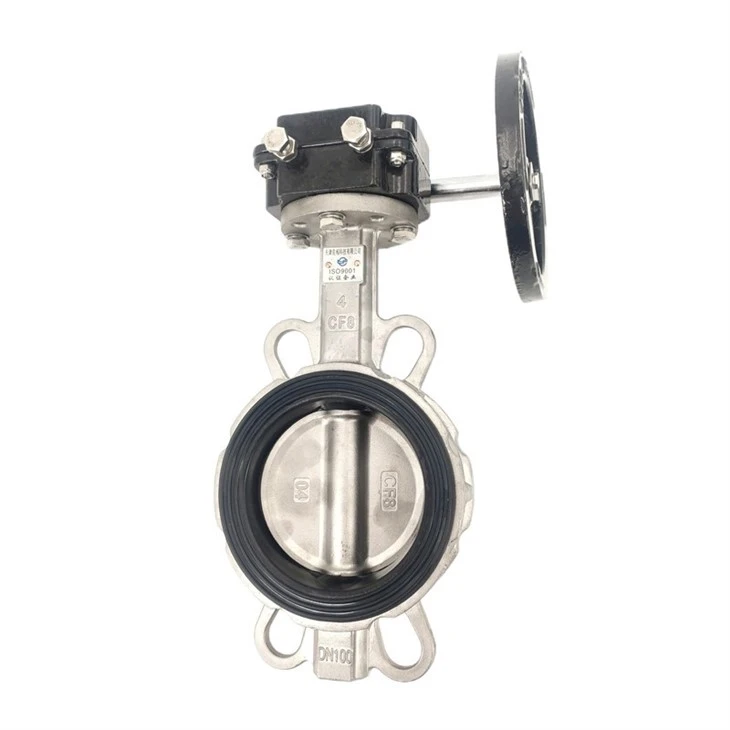
Body
The body of a butterfly valve is the main structure that houses all the other components. It is designed to provide a reliable and leak-proof seal between the valve and the pipeline. Butterfly valves can have a variety of body materials such as cast iron, stainless steel, or pvc.
Disc
The disc is a circular plate that is positioned in the center of the body. It is designed to rotate inside the body and control the flow of fluids through the valve. The disc can be made from a variety of materials such as stainless steel, aluminum, or plastic.
Stem
The stem is a long, narrow rod that connects to the center of the disc and extends outside the valve body. The stem is used to rotate the disc when the valve is opened or closed. The stem can be operated manually or automatically using an actuator.
Seat
The seat is a ring-shaped component that is located on the inside of the valve body around the disc. It is designed to provide a tight seal when the valve is closed and prevent any fluid from leaking through the valve.
Actuator
The actuator is an external device that is used to control the position of the valve. It can be a manual lever or wheel, or it can be an automatic device such as an electric or pneumatic actuator. The actuator is used to rotate the stem and control the opening and closing of the disc.
Bearings
The bearings are small components that are located at the top and bottom of the stem. They provide support and stability for the stem and allow it to rotate smoothly within the valve body.
Maintenance of Butterfly Valve
Regular inspection
The first step towards maintaining your butterfly valve is to conduct a regular inspection. Check for any leakage, corrosion, or damage on the valve body, disc, and stem. Inspect the sealing and gaskets for any wear and tear. Ensure that the valve is still in the correct position and that the bolts and nuts are secure.
Lubrication
Proper lubrication is crucial for any valve's optimal performance. Ensure that the valve's stem, seats, and bearings are well-lubricated using a high-quality lubricant to reduce friction. However, avoid over-lubricating the valve, as this may cause clogging and damage to the system. Check the manufacturer's recommendations for the proper lubricant to use.
Cleaning
Regular cleaning helps to keep the valve free from debris and buildup, which may cause friction and reduced performance. Ensure that you use a suitable cleaning agent to clean the valve, depending on the valve's material. Avoid using abrasive cleaners that may scratch or damage the valve surface.
Sealing replacement
As time goes by, valve seals and gaskets wear out. Replace these seals with high-quality replacements to maintain the valve's integrity and prevent leakage. The frequency of replacement depends on the valve application and operating conditions.
Regular maintenance
Routine maintenance for your valve is essential to keep it in optimal performance. Check the valve's functioning regularly, and replace any damaged or broken parts immediately. A faulty valve may cause significant damage to your system.
Selection of the correct material
Butterfly valves can be made of various materials such as carbon steel, stainless steel, iron, aluminum or plastic. The material selected should be compatible with the fluid being handled and its operating temperature and pressure.
Proper installation
The valve should be installed in the correct position with the correct orientation. The necessary anchoring and support brackets should be provided to prevent excessive stress on the valve. Proper installation will also ensure that there is no binding or interference of the valve's disc or stem.
Proper maintenance
Regular maintenance is essential to ensure the proper functioning of butterfly valves. Regular inspection of the sealing surfaces and disc for damage or wear should be performed. The valve should be cleaned periodically to prevent buildup of debris or contamination, which can affect its performance.
Protection from the environment
Butterfly valves should be protected from the environment to prevent damage from weather, exposure to chemicals or other contaminants. Enclosures and covers should be installed to protect the valve from elements that can lead to corrosion or other forms of damage.
Proper sizing
Butterfly valves should be sized appropriately for the application to ensure proper flow control and prevent the buildup of excessive pressure and stress on the valve.
Compatibility with the fluid
The butterfly valve should be compatible with the fluid being handled. Use of the wrong material or configuration can cause corrosion, fouling, or chemical reactions, which can accelerate wear and damage the valve.
Proper operation
The valve should be operated within its specified temperature and pressure ratings. Exceeding these limits may result in damage to the valve or its components. Additionally, the valve should not be forced open or closed as this can cause damage to the valve's components.
How to Choose Butterfly Valve
Valve size
The first thing you need to consider is the size of the valve you need. You should choose a valve that matches the size of your pipeline and the flow rate of your process. If the valve is too small, it will restrict flow and cause pressure drop. If the valve is too large, it will increase the cost of the installation and may not be able to provide accurate control over the flow.
Material
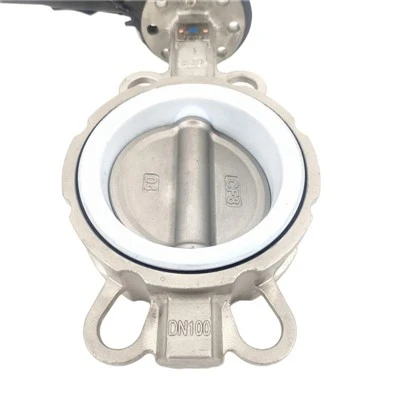
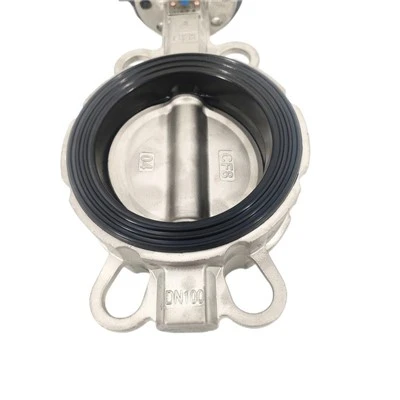
Butterfly valves come in a variety of materials, including stainless steel, cast iron, and pvc. Your choice of material will depend on the type of liquid or gas being controlled, as well as the temperature and pressure of the process. For example, stainless steel is a popular choice for high-temperature applications, while pvc is often used for low-temperature applications.
Disc type
The disc is the part of the butterfly valve that controls the flow of fluid. There are two main types of discs: single-offset and double-offset. Single-offset discs are more commonly used and are typically less expensive. However, double-offset discs provide better sealing and are more resistant to wear and tear.
End connections
Butterfly valves are available with a variety of end connections, including flanged, threaded, and welded. You should choose an end connection that matches the piping system you are using and ensures a secure and reliable connection.
Actuation
Butterfly valves can be operated manually or by an actuator. An actuator is an electric, pneumatic, or hydraulic device that opens and closes the valve automatically. The type of actuator you choose will depend on your specific requirements, such as the speed and precision of the valve operation.
Application
Finally, you should consider the specific application for which you need the butterfly valve. For example, if you are using a butterfly valve for food processing, it should be made of fda-approved materials and be hygienic in design. If you are using a butterfly valve for chemical processing, it should be resistant to chemical corrosion and able to withstand high-pressure and high-temperature environments.
How to Install Butterfly Valve
Prepare the materials
Before installing a butterfly valve, make sure to have all the necessary materials and tools. This includes the butterfly valve itself, the pipe or fittings, the mounting hardware, and the necessary adhesive or fasteners. It's important to check the manufacturer's recommendations for specific materials and tools, as they may vary by type and brand of butterfly valve.
Install the butterfly valve
Install the butterfly valve by aligning it with the pipe or fittings, and positioning it in the desired location. Apply pressure to the butterfly valve to seat the seats and ensure that the valve is properly positioned. Use the necessary adhesive or fasteners to secure the butterfly valve in place, and make sure that the valve is level and plumb.
Locate the installation area
Identify the location where the butterfly valve will be installed, and make sure that the area is clean and free from debris. If the butterfly valve is being installed in a pipe, make sure that the pipe is clean and free from any obstructions or blockages.
Assemble the butterfly valve
Assemble the butterfly valve by aligning the valve body, the handle, and the seats. Screw the handle onto the valve body, and make sure that the handle is securely attached. Align the seats of the valve body, and insert the pipe or fittings into the valve body.
Working Principle Butterfly Valve
1.It typically consists of a valve body, a handle, a seat, and a pipe or fittings. The valve body is a cylindrical shell that houses the valve mechanism, and the handle is a wedge-shaped component that is used to open and close the valve. The seat is a rubber or metal ring that sits inside the valve body and forms a seal between the valve body and the pipe or fittings.
2.When the handle is turned, it rotates the wedge-shaped component, which in turn rotates the seats. This action causes the valve to open and allow fluid to flow through the pipe or fittings. As the handle is turned, the pressure on the seats increases, which helps to maintain a tight seal between the valve body and the pipe or fittings. When the handle is turned in the opposite direction, the pressure on the seats decreases, which allows the valve to close. The butterfly valve is designed to be a low-maintenance and cost-effective solution for controlling the flow of fluid in a variety of applications, including water supply, drainage, and hvac systems.
Certifications


Our Factory
The company occupies a total area of more than 3,000 square meters. There are more than 50 employees, and all kinds of excellent large and medium-sized main production equipment as well as main inspection and testing equipment and instruments.


